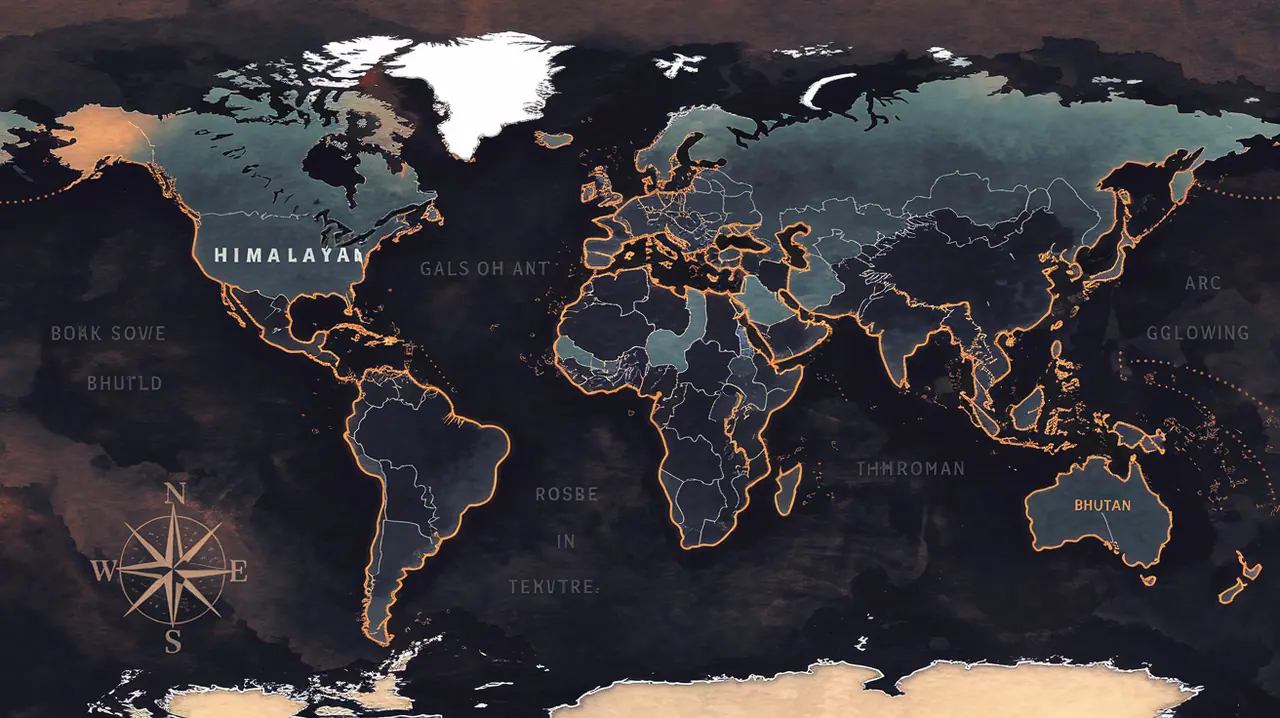
The origins of mad honey.
Active plant compound-bearing rhododendron honey is produced in just a few places on earth — and each origin has its own bees, species, and traditions.
Mad honey exists because Rhododendron exists at altitude — and the world has four places where that overlap supports commercial honey production. Each origin has its own bee species, its own dominant Rhododendron, its own cultural harvesting tradition, and its own regulatory context. This page is the entry point into all four.
If you are deciding which to try, the short version is this: Nepal for maximum potency and the richest ritual tradition; Turkey for the milder, food-forward deli bal that has been consumed for 2,500 years; Himalayan as an umbrella term that usually means Nepal but can also mean Indian or Bhutanese product; Bhutan as the rarest and most expensive — if you can find it with proper documentation.
Each origin page below goes deep: harvest ritual, botany, pharmacological profile vs. the alternatives, cultural history, verified brands sourcing from that region, and origin-specific FAQs. All content is medically reviewed by Mad Honey Finder Editorial
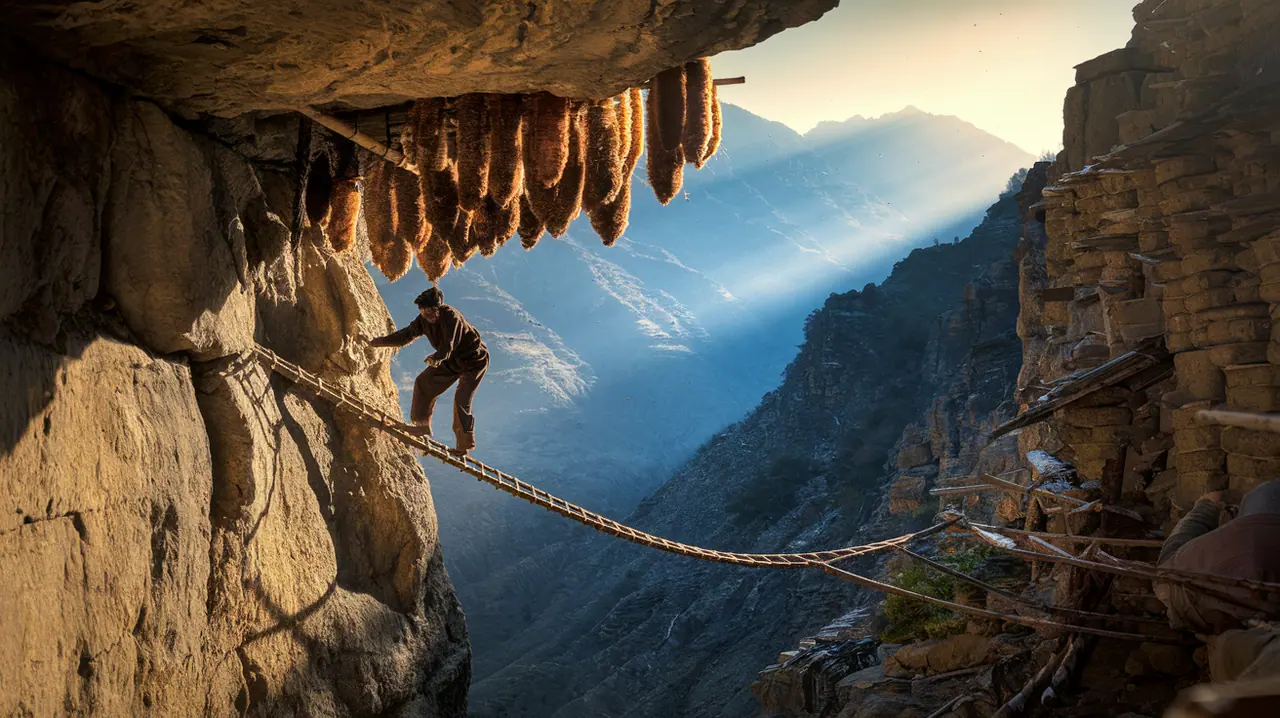
Nepal — The Annapurna Highlands
Nepal’s cliff-honey traditions are documented in field research. Connecting that history to a retail jar requires separate producer, harvest and batch records.
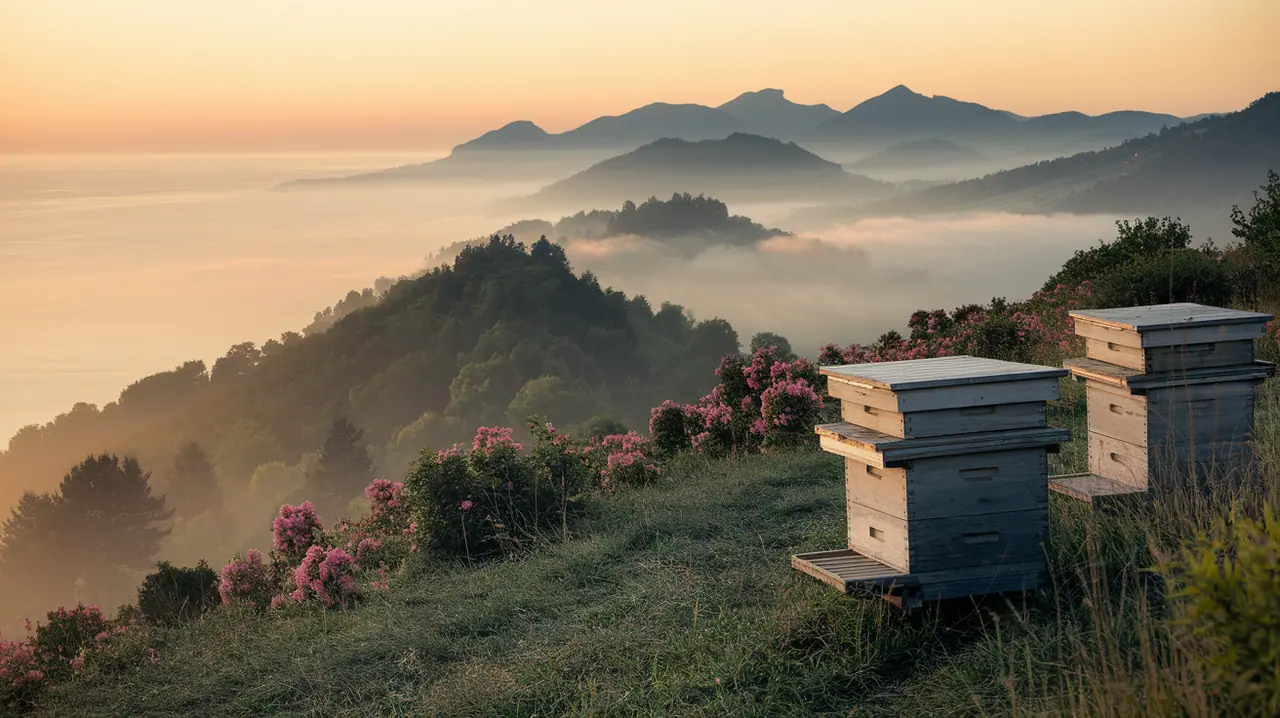
Turkey — The Black Sea Region (Deli Bal)
Deli bal is associated with Turkey’s Black Sea region. A regional story or Turkish product name does not establish the source, strength or availability of a retail jar.
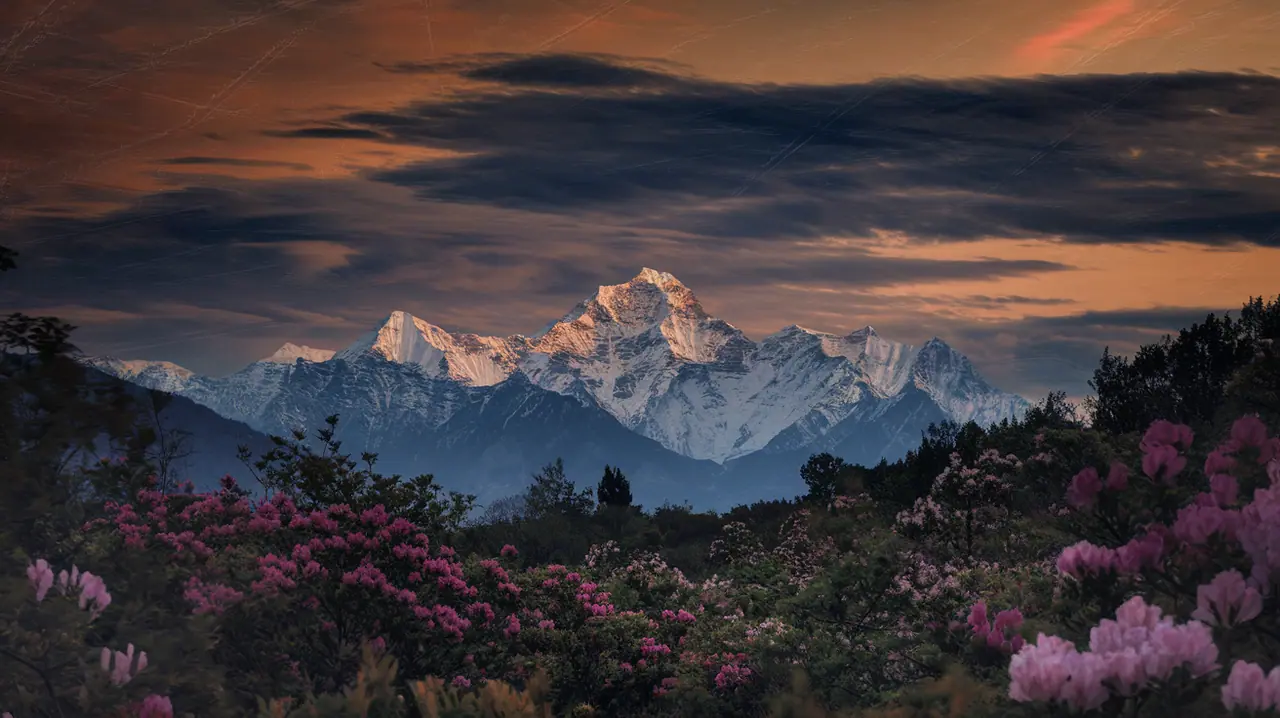
Himalayan — The Cross-Border Highlands
"Himalayan mad honey" is a positioning term that spans Nepal, the northern Indian states of Uttarakhand and Sikkim, and western Bhutan.
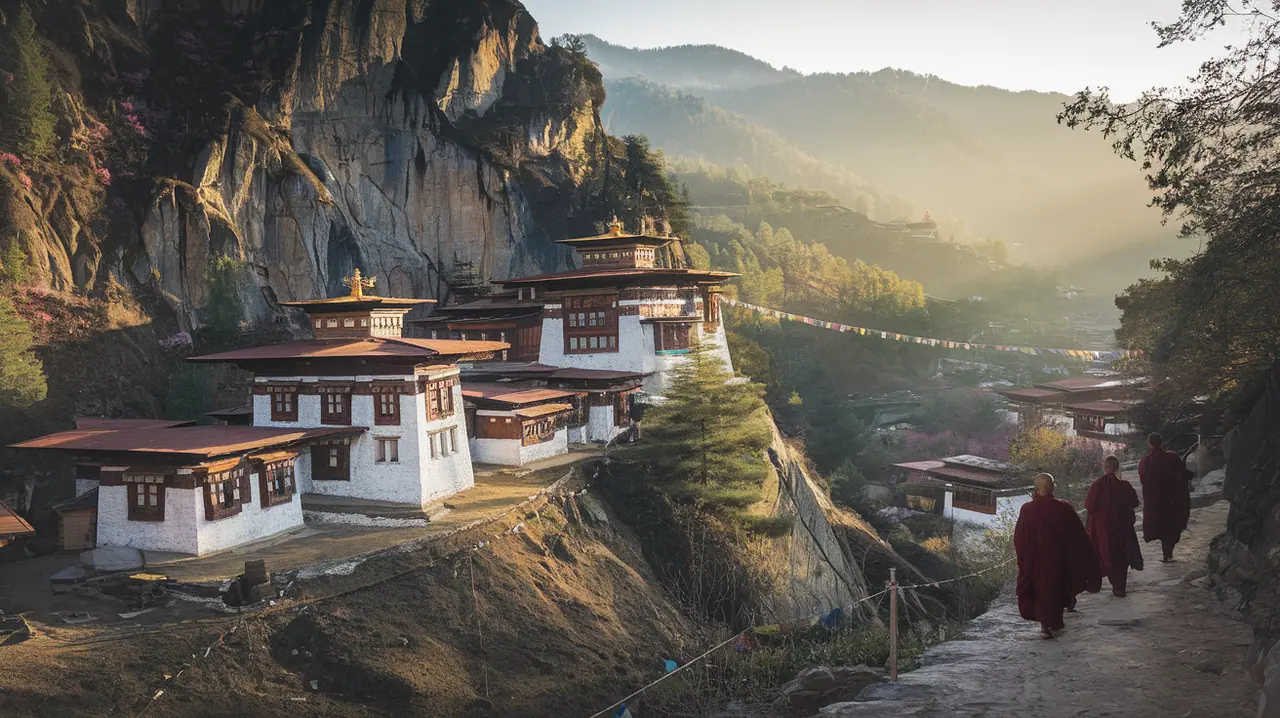
Bhutan — The Royal High Climes
Bhutan produces small quantities of cliff honey from the same rhododendron belts as Nepal, but under much stricter state-level environmental controls.